The More You Know: Spring Edition
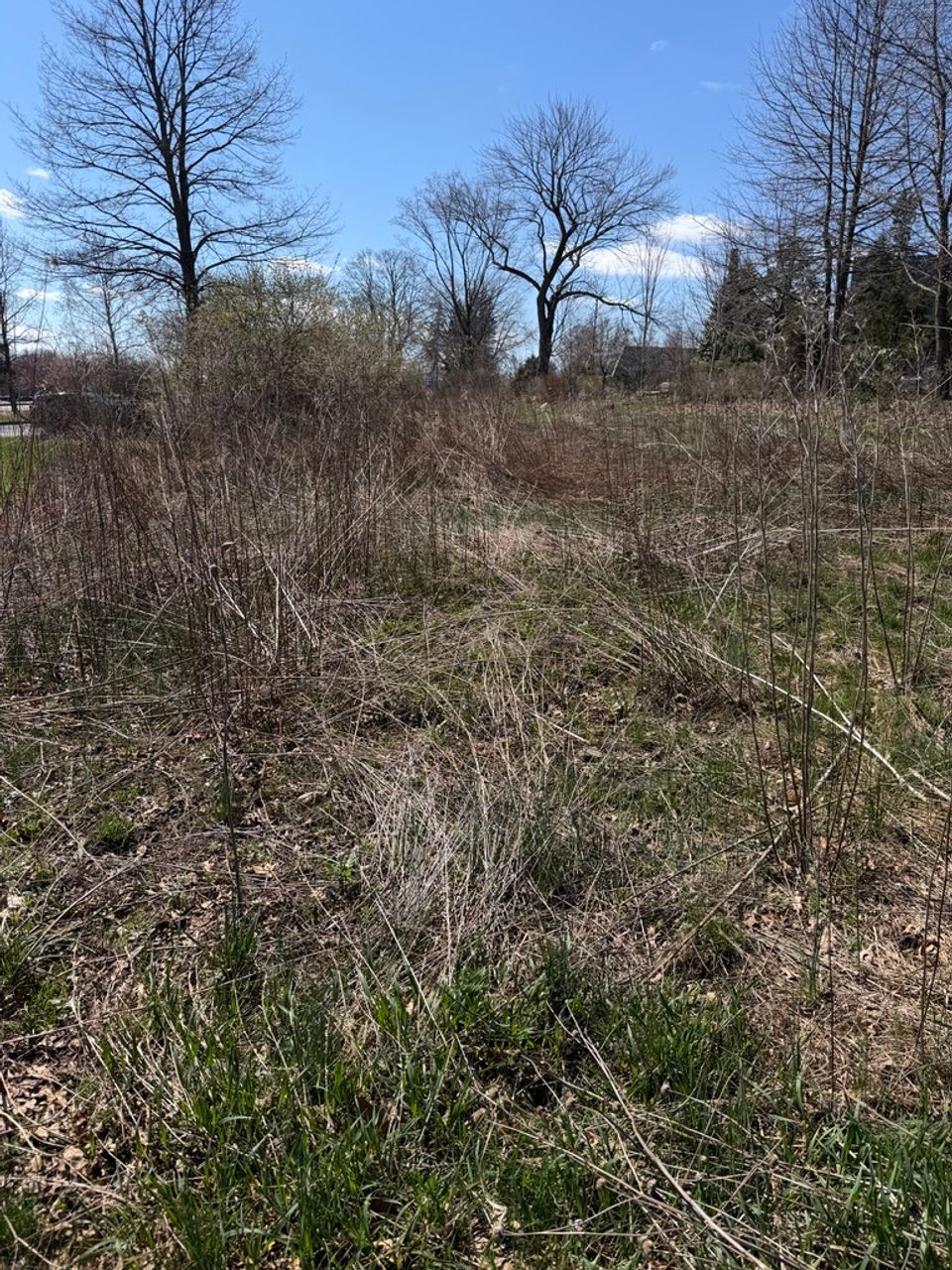
I realize this is a big undertaking for 17 acres of land, but the more I learn, the more I want to nativize my property. I volunteer at the Native Plant Center, part of WCC, which has been a fabulous resource for learning. I’m still very new to this, but the more I understand, the more I see that many of the plants people grow in the Northeast are not especially beneficial to the land here.
For years, people have brought plants in from all over the world, especially from Europe and Asia, and worked them into our landscapes. There’s nothing inherently wrong with that. People want their yards to look pretty, and many non-native species are also low maintenance. At the same time, I do think many people are being poorly informed by the nursery industry. I often wonder if there will ever be a better system for regulating what is sold and helping people understand what they are really bringing onto their land.
Mondays at the Native Plant Center have been eye-opening, especially this time of year. The garden has not been touched for some months, and this winter in particular was fairly brutal. A thick layer of leaves covers most of the plants, and little weeds have started growing beneath them. Weeds equal bad, at least at first glance. We begin by pulling chickweed, garlic mustard, ground ivy, and more. Not all of them are necessarily harmful, but they can compete with native plants and often win.
Some require a tool to dig them out. Others, like chickweed, can be pulled by hand. The more harmful ones, like garlic mustard, love to grow along roadsides and sidewalks and are native to Europe and Asia. After weeding, I always feel satisfied. The ground looks cleaner, lighter, happier than before.
Although I won’t get everything done this spring, I enjoy this time of year. It is a season for getting rid of what is no longer serving much purpose and making room for new life.
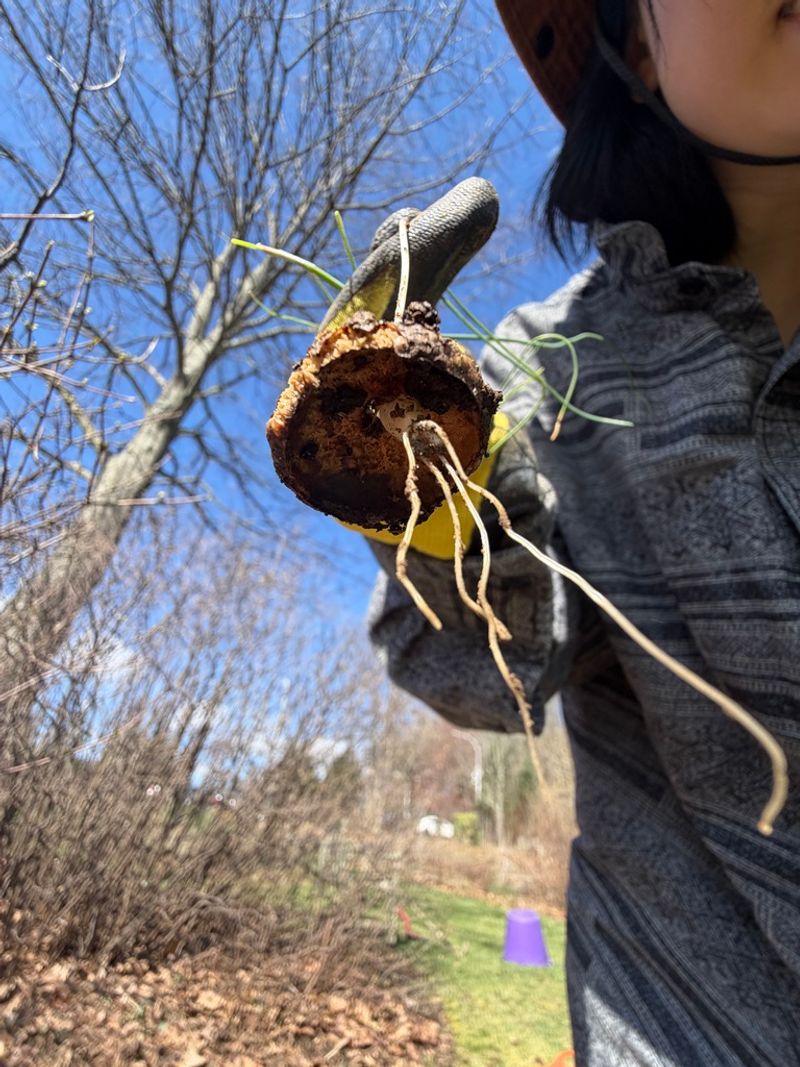
A Sprouting Acorn